
Home » Become a Host Company
Open your doors to a dedicated team of cross-disciplinary fellow and get involved in the programme as a host company. Get insights and new ideas for a more sustainable food system.
BioSustainability Design Fellowship Programme brings together talent from different professional fields to design green, practical solutions for the food sector through the needs-driven innovation method.
Our fellows are professionals with minimum 3-5 years of experience from industry or research who want to elevate their skills within sustainability and innovation.
They are carefully selected among applicants and matched in interdisciplinary teams of 3-4 people that work together throughout the 10 months enrolment in the programme.
Down below you can learn how your company can be part of the programme as a host.
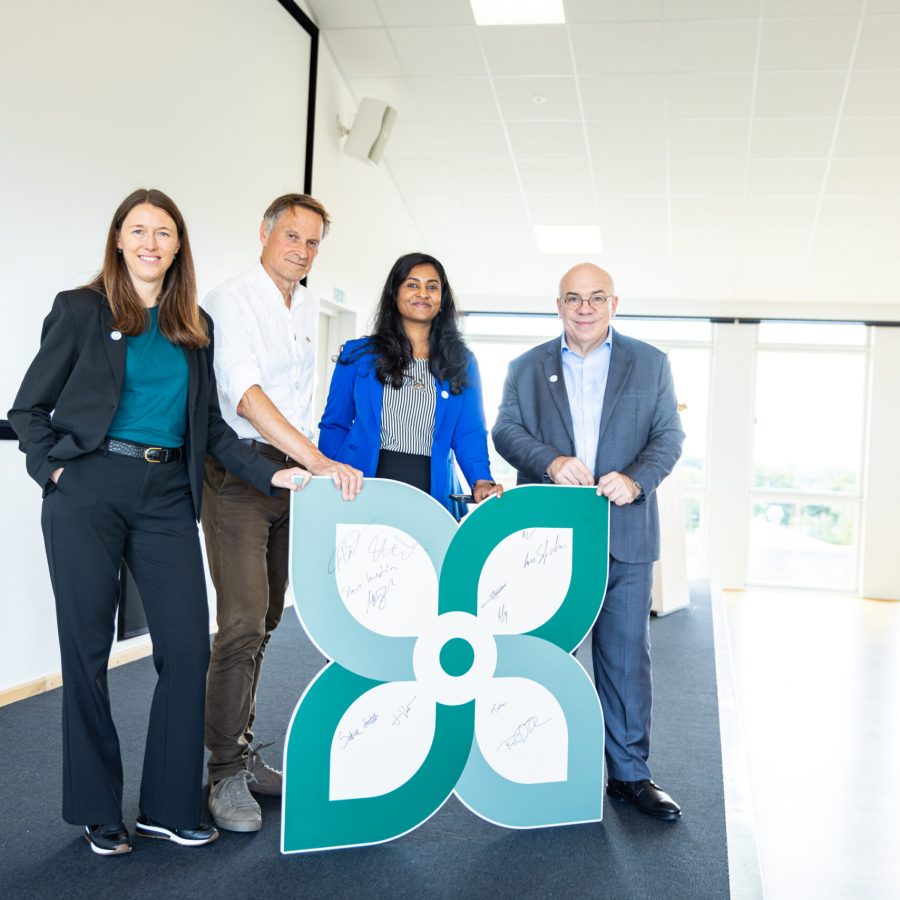
As a host company in the Programme, you will open your doors to a fellow team, consisting of 3-4 people for an 8-10-week field immersion to identify high-potential sustainability solutions.
The field immersion is planned to be in late summer and autumn where fellows will observe operations and speak to selected employees without disturbing the work processes to spot innovation needs.
The fellows can be sent to one or several company locations and – if relevant – business partners in the value chain like suppliers, customers, or others.
Before, during, and after the field immersion, you will be in close collaboration with our field coordinator to ensure a smooth host process.
Being a host company in the BSD programme has many benefits. some of them are listed here:
The fellows will use two simple anthropological methods to uncover needs:
Your staff carries on their work exactly as normal – no preparation or changed routines required. And you stay in control: you decide which areas, processes, data and employees the fellows may access.
Based on the observations and interviews the fellows identify a number of needs to address with ideas for relevant solutions related to the programme’s three main challenges:
As a host company you should be facing challenges or exploring development opportunities that fall within at least one of these three domains.
Your main role is to open the door, share your reality honestly, and engage in a few focused conversations.
As a host, your company will be featured in our communication about the programme – a nice opportunity to showcase your commitment to sustainability and innovation. We always align with you on how your company is presented.
In general, we treat host companies with discretion. Before the fellows arrive, we put the right agreements in place – including a non-disclosure or confidentiality agreement – and all fellows are bound by contracts that secure confidentiality.
Only fellows and selected BSD staff members have access to the data collected.
All organisations across the agri-food value chain can be a host. This include:
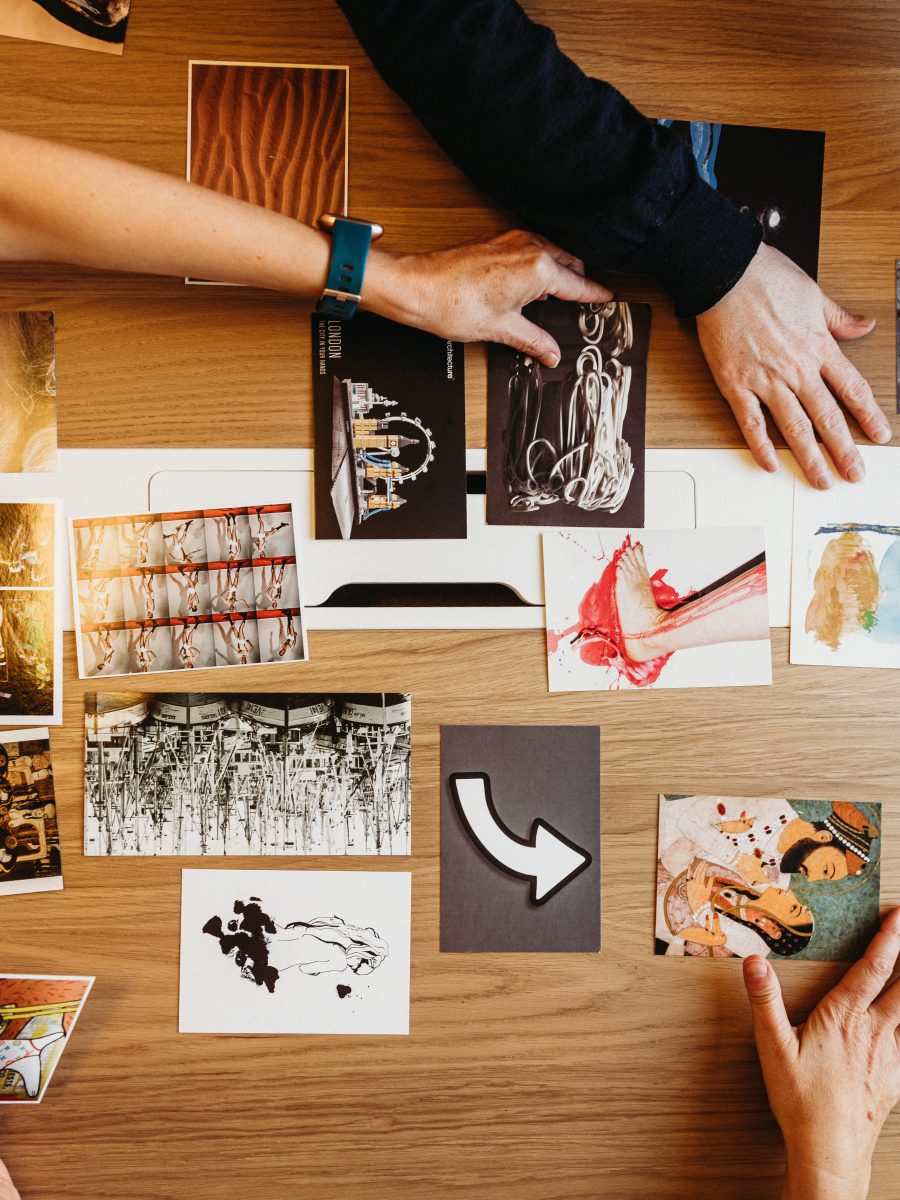
New insights and a dedicated design sprint
When the field immersion at your facilities concludes, the fellows present an overview of the needs they have identified. This gives your company a fresh, structured set of insights into your own operations – a valuable starting point for further development.
From this overview, you select one specific need that matters most to you. The fellows then dedicate a week-long design sprint to develop one or more concrete interventions your company could make to improve efficiency, sustainability, products or processes.
The insights gained – and the ideas that emerge from the sprint – are yours to take forward and build on as you see fit.
Main project
For the following seven months, the fellows turn their attention to their main project, working towards a final, commercially viable solution.
The ambition with the main project is to develop a scalable solution or product that can create real, lasting impact in the food industry – innovation with the potential to help drive the wider green transition. The main project belongs to the fellows, who are free (but not obligated) to enter into a collaboration with their host company.
Should both you and the fellows wish to continue the journey together, your close involvement throughout the programme makes you a natural partner.
Need-driven innovation is an approach where new products, services, or processes are developed in direct response to an identified customer/user need, pain point, or market gap.
Instead of starting with a new technology and searching for a use for it, this method begins by understanding the user’s problem and then designing a targeted solution to solve it.
If you are selected as a host, it is because your activities and challenges are central to the future food system and can serve as a learning opportunity. You should not view it as hiring a consultant for your company only.
The collaboration is a strategic partnership for the benefit of not only you but the food system in general. Any intellectual property rights for solutions developed during the fellowship go to the fellows. They can proceed with the development in cooperation with the host company after the programme if desired, but they can also do it independently.
You can require that fellows sign an NDA or restrict them from certain areas or processes if desired. This is something you discuss with the BSD programme management during the onboarding process.
We work with organisations across the entire agri‑food value chain:
Hosts are selected to ensure diversity and relevance to the programme’s three themes, as well as openness to collaboration. Hosts should have facilities located in Denmark.
No, small and medium sized companies are eligible as hosts as well. However, if you are a startup mainly consisting of 1 or more founders working at a desk without real life operations yet, there is not much for fellows to observe in practice, and this is not a good match for the programme.
Join leading industry frontrunners in shaping tomorrow’s sustainable food ecosystem.
Reach out to our field coordinator to explore what hosting could look like in your organisation.
Kasper Gregersen | Field Coordinator | krg@dti.dk | +45 7220 3621